7 Hidden Costs to Watch Out for When Buying Medical Equipment in Hospitals, Clinics, and Labs

Every medical facility in Nigeria faces the same challenge: finding reliable equipment that delivers value without draining the budget. Before committing to any supplier or device, you need clarity on what truly matters. This quick overview sets the stage for a smarter, safer purchasing process.
Introduction
While the purchase price of medical equipment is clear, many hidden costs can impact hospitals, diagnostic laboratories, and small-to-medium clinics. Planning for these ensures sustainability, reduces downtime, and protects patient care quality.
What You Need to Know
1. Installation and Calibration
Some equipment requires professional installation and calibration. Proper setup ensures accurate results for hospitals handling high patient loads, laboratories processing numerous samples, and clinics with smaller teams this comes at a cost.
2. Staff Training
Specialized devices require staff training to ensure correct operation. Hospitals may need multiple staff trained; small clinics require concise training programs; laboratories need technical competency and ongoing education; although this does not add to the purchase price of the equipment, but it is a crucial consideration.
3. Consumables and Reagents
Ongoing operations rely on consumables such as reagents, test strips, or calibration materials. High-volume hospitals and labs have larger recurring costs, while smaller clinics need efficient usage planning.
4. Routine Maintenance
Preventive maintenance keeps equipment reliable and reduces downtime. Hospitals and labs depend heavily on uninterrupted service, while small clinics benefit from consistent performance for patient care.
it is adviseable to consider suppliers that offer comprehensive maintenance packages to cover these needs like brochures, manuals and services from trusted providers such as Medsphere Healthcare Limited.
5. Quality Control and Calibration Checks
Regular QC and calibration are critical for accurate diagnostics. Hospitals with multiple departments, high-throughput labs, and clinics performing POCT all require reliable calibration to maintain results integrity.
6. Software Updates and Licensing
Devices with software may need updates or license renewals. Planning for these costs ensures uninterrupted functionality across different facility types.
7. Replacement Parts and Minor Repairs
Even high-quality equipment may need minor repairs or part replacements. Budgeting for this ensures smooth operations in hospitals, labs, and clinics.
Conclusion

Understanding hidden costs helps hospitals, laboratories, and clinics make informed decisions, plan budgets effectively, and maintain reliable operations. Partnering with Medsphere Healthcare Ltd ensures access to high-quality devices, training, and support services.
Check out our high quality devices
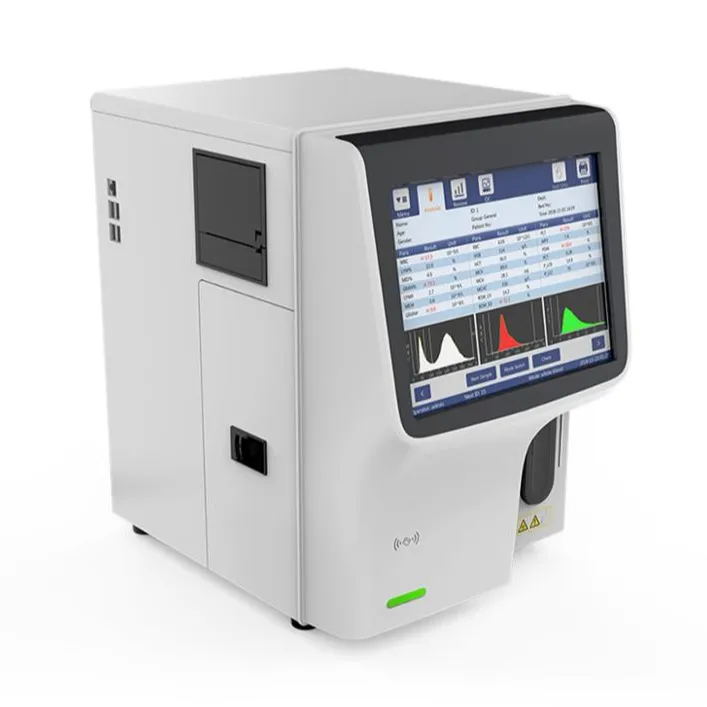 SMT-30 | 3-Part Auto Hematology Analyzer
 DR-ACCU | Immunoassay Analyzer
 SG-1 | Blood Gas & Electrolyte Analyzer
For more information on cost control when purchasing a medical equipment, and professional consultation, Kindly contact Medsphere Healthcare Limited directly here ⇒ Customerservice@medspherehealthcare.com
Frequently Asked Questions
Where can I find a medical equipment store near me in Nigeria?
Medsphere Healthcare Ltd is an authorized, licensed medical equipment distributor based in Lagos, we distribute and provide services across every part of Nigeria and Africa as a continent; we guarantee best medical devices, genuine brands, top service support and top installation services.
How much does a medical laboratory setup cost?
The cost of setting up a medical laboratory can vary widely based on factors such as location, size, and the specific equipment needed. On average, a small laboratory setup may range from $10,000 (₦15,000,000) to $100,000 (₦150,000,000) or more. It's essential to conduct a thorough needs assessment and budget accordingly. Medsphere Healthcare Ltd can provide guidance on cost-effective solutions and equipment procurement.
What are essential medical equipment and supplies for elderly care?
Essential supplies include mobility aids (walkers, novo rollators), bathroom safety gear (shower chairs), and daily monitoring devices. Specific conditions like Parkinson's may require specialized support handles; medsphere healthcare ltd offers a range of products to meet these needs.
How do I choose the right medical equipment ankle scooter?
When recovering from foot or ankle surgery, choose a scooter with adjustable knee pad height, robust wheels for uneven Nigerian terrain, and a reliable braking system; medsphere healthcare ltd offers a range of options to suit your needs.
what is medical laboratory science?
Medical laboratory science is the healthcare field focused on performing laboratory tests on patient samples like blood and tissue to help diagnose, treat, and prevent diseases. Medical laboratory scientists, or technologists, analyze these specimens to provide crucial data that helps physicians make decisions about a patient's health. Their work covers areas like clinical chemistry, hematology, microbiology, and immunology.
Subscribe to Our Newsletter

© 2025 Medsphere Healthcare Limited. All rights reserved.