Reducing Laboratory and Clinic Turnaround Time (TAT) in Nigeria: Tips for Faster, Reliable Results

Introduction
Turnaround time (TAT) — the period from sample collection to reporting results — directly affects patient care. Long TATs can delay treatment, frustrate patients, and strain facility operations. Hospitals, laboratories, and clinics can implement strategies to reduce TAT while maintaining accuracy.
1. Optimize Workflow and Sample Management
Map out every step from sample collection to reporting. Identify bottlenecks and reorganize tasks to minimize delays. Labs and hospitals benefit from centralizing high-volume processes, while clinics can streamline simple tests.
2. Use Point of Care Testing (POCT)
POCT devices reduce reliance on central labs and provide near-instant results. Small clinics and hospital wards benefit from faster decision-making, while labs can reserve high-throughput machines for complex tests. Medsphere’s POCT solutions are reliable and scalable for all facility types.
3. Prioritize High-Impact Tests
Triage tests based on urgency. Critical patient results should be fast-tracked to reduce TAT, while routine tests can follow standard processing timelines.
4. Train Staff for Efficiency
Well-trained personnel perform tasks faster and more accurately. Training in sample handling, device operation, and result reporting improves overall TAT.
5. Routine Maintenance and Calibration
Equipment downtime slows processes. Preventive maintenance ensures devices operate at peak efficiency, reducing delays for hospitals, labs, and clinics alike.
6. Implement Digital Reporting Systems
Electronic reporting reduces manual data entry, speeds up result delivery, and minimizes transcription errors. Hospitals and labs with integrated systems see significant TAT reduction.
Conclusion

Reducing TAT improves patient outcomes, satisfaction, and facility efficiency. Hospitals, clinics, and laboratories in Nigeria can achieve faster, reliable results by optimizing workflow, using POCT devices, training staff, maintaining equipment, and adopting digital reporting. Medsphere Healthcare LTD devices and support services facilitate faster diagnostics across all facility sizes.
Explore Our High Quality Fast and Accurate Devices
 Dr Accu | Immunoassay Analyzer
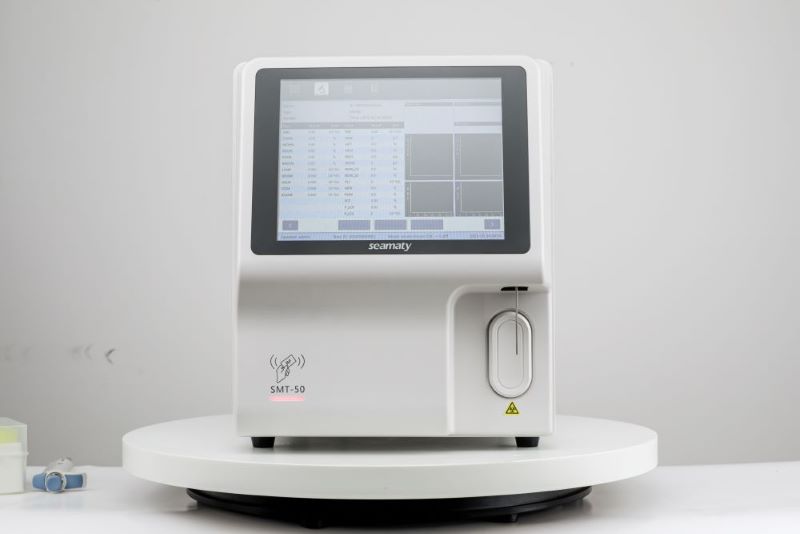 SMT-50 | 5-Part Auto Hematology Analyzer
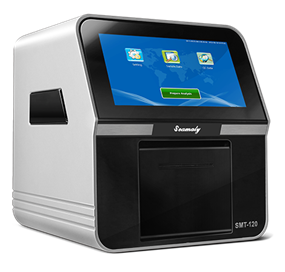 SMT-120 | Biochemistry Analyzer
For more information on medical equipment maintenance,purchase, and professional consultation, Kindly contact Medsphere Healthcare Limited directly here ⇒ Customerservice@medspherehealthcare.com
Frequently Asked Questions
What Strategies Can I Use For TAT?
To optimize Turnaround Time (TAT) in healthcare settings, consider the following strategies:
- Implement Point of Care Testing (POCT) for rapid results.
- Streamline sample collection and processing workflows.
- Utilize automation and digital tools to reduce manual tasks.
- Regularly train staff on best practices and new technologies.
- Monitor and analyze TAT data to identify bottlenecks.
Who can help me with medical device maintenance?
Medsphere Healthcare Ltd offers comprehensive maintenance services to support healthcare facilities in Nigeria. Our team of experts is trained to handle a wide range of medical equipment, ensuring optimal performance and compliance with safety standards.
What is Point of Care Testing?
Point of Care Testing (POCT) refers to medical diagnostic testing performed at or near the site of patient care. This approach allows for rapid results and timely clinical decision-making, improving patient outcomes. POCT encompasses a variety of tests, including blood glucose monitoring, infectious disease testing, and more. Medsphere Healthcare Ltd provides a range of POCT devices and solutions to support healthcare facilities in delivering efficient and effective patient care.
Can a Device slow down over time?
Yes, medical devices can experience a decrease in performance over time due to factors such as wear and tear, outdated technology, and lack of proper maintenance. Regular servicing, calibration, and updates are essential to ensure devices operate at peak efficiency and continue to meet clinical needs.
Subscribe to Our Newsletter

© 2025 Medsphere Healthcare Limited. All rights reserved.