Quality Control (QC) and External Quality Assessment (EQA): Ensuring Reliable Lab Results in Nigerian Healthcare Facilities

Introduction
Quality Control (QC) and External Quality Assessment (EQA) are essential for maintaining reliable and accurate laboratory results. Hospitals, laboratories, and clinics must implement robust QC and EQA programs to ensure patient safety, regulatory compliance, and operational credibility.
1. Internal Quality Control (IQC)
IQC involves daily monitoring of equipment and testing procedures using control samples. It helps detect errors early, maintain accuracy, and build confidence in results. Hospitals with multiple departments, labs with high throughput, and clinics performing routine tests all benefit from IQC.
2. External Quality Assessment (EQA)
EQA programs allow facilities to compare their results against other labs, ensuring adherence to accepted standards. Participation demonstrates credibility to patients, regulators, and stakeholders.
3. Staff Training and Accountability
Properly trained staff are critical for effective QC and EQA programs. Hospitals, labs, and clinics should assign responsibilities clearly and provide ongoing training to maintain competency.
4. Equipment Maintenance and Calibration
Routine maintenance and calibration ensure that devices provide accurate results. Facilities should track maintenance schedules and document corrective actions to maintain QC integrity.
5. Documentation and Review
Maintaining detailed records of QC and EQA activities allows facilities to track trends, identify issues, and implement corrective measures. Hospitals, labs, and clinics can use this data to improve processes continuously.
Conclusion

Robust Quality Control (QC) and External Quality Assessment (EQA) programs are essential for ensuring accurate and reliable diagnostic results in any healthcare setting. Without proper quality systems in place, even advanced medical equipment can produce inconsistent or misleading results, which can directly impact patient care and clinical decisions. By implementing structured internal quality control procedures, healthcare facilities can routinely verify that their equipment is functioning correctly and producing precise results. This includes running control samples, monitoring performance trends, and identifying deviations early before they become critical issues. External Quality Assessment (EQA) programs further strengthen reliability by allowing laboratories and clinics to compare their results with standardized benchmarks or other laboratories. This helps validate accuracy, uncover hidden errors, and maintain compliance with international standards. In addition to QC and EQA, continuous staff training plays a crucial role. Well-trained personnel are better equipped to handle equipment correctly, follow standard operating procedures, and respond effectively to irregular results. Regular equipment maintenance, proper calibration, and the use of approved reagents also contribute significantly to maintaining diagnostic integrity. Equally important is proper documentation. Keeping detailed records of quality checks, maintenance activities, and test results ensures traceability, supports audits, and helps identify patterns that may require corrective action. By combining strong QC and EQA programs with skilled personnel, proper maintenance, and accurate record-keeping, hospitals, laboratories, and clinics in Nigeria can consistently deliver high-quality diagnostic results, improve patient outcomes, and build trust in their healthcare services. Medsphere Healthcare Ltd provides equipment, training, and support to help facilities maintain quality standards.
Explore Our High Quality Fast and Accurate Devices
 SG-1 | Blood Gas & Electrolyte Analyzer
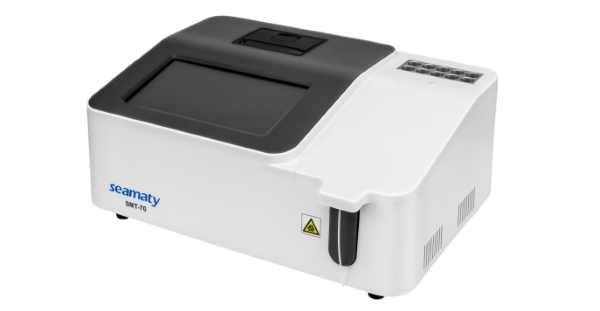 SMT-70 | Semi Auto Chemistry Analyzer
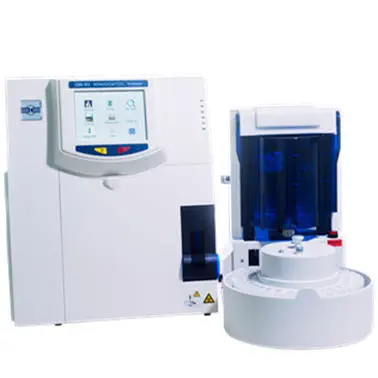 CBS-50 | Automatic Electrolyte Analyzer
For more information on medical equipment maintenance,purchase, and professional consultation, Kindly contact Medsphere Healthcare Limited directly here ⇒ Customerservice@medspherehealthcare.com
Frequently Asked Questions
What is Internal Quality Control (IQC)?
Internal Quality Control (IQC) refers to the processes and procedures implemented within a laboratory or clinical setting to ensure the accuracy and reliability of test results. This includes the use of control samples, regular equipment calibration, and adherence to standard operating procedures (SOPs). Effective IQC helps identify and rectify errors promptly, maintaining trust in diagnostic outcomes. Medsphere Healthcare Ltd provides support and resources to help facilities establish robust IQC programs.
Who can help me with medical device maintenance?
Medsphere Healthcare Ltd offers comprehensive maintenance services to support healthcare facilities in Nigeria. Our team of experts is trained to handle a wide range of medical equipment, ensuring optimal performance and compliance with safety standards.
What is Documentation and Review?
Documentation and Review refer to the processes of recording and evaluating the performance and outcomes of medical equipment and procedures. This includes maintaining accurate records of equipment usage, conducting regular reviews of performance data, and implementing improvements based on findings. Medsphere Healthcare Ltd supports facilities in establishing effective documentation and review practices to enhance quality and compliance.
Can a Device slow down over time?
Yes, medical devices can experience a decrease in performance over time due to factors such as wear and tear, outdated technology, and lack of proper maintenance. Regular servicing, calibration, and updates are essential to ensure devices operate at peak efficiency and continue to meet clinical needs.
Subscribe to Our Newsletter

© 2025 Medsphere Healthcare Limited. All rights reserved.