How to Budget for Your Hospital, Clinic, or Laboratory Equipment Without Running into Debt

Introduction
Budgeting for medical equipment is a critical challenge for hospitals, laboratories, and clinics of all sizes. Without careful planning, facilities risk overspending or acquiring equipment that is incompatible with their workflow. A strategic budgeting approach ensures sustainability, maximizes investment, and supports high-quality patient care.
These steps can help you budget effectively
1. List All Equipment Needs
Start with a detailed list of essential equipment categorized by priority. Hospitals may need high-end analyzers, labs may require specialized instruments, and clinics often need compact POCT devices. A clear list prevents unnecessary spending.
2. Compare New vs Refurbished Equipment
High-quality refurbished equipment can reduce costs while providing reliable service. Evaluate suppliers carefully to ensure the devices meet safety and performance standards.
3. Include Ongoing Costs
Budget effectively by looking beyond the initial purchase price to account for the full operational lifecycle of medical equipment. Essential recurring expenses include:
- Consumables: (e.g., reagents, test kits) – Immediate, high-volume costs that prevent service disruption if underfunded.
- Maintenance & Calibration: Scheduling preventive maintenance (PM) extends asset life and prevents costly breakdowns. Regular calibration is mandatory for diagnostic accuracy and patient safety.
- Staff Training: Ensures proficiency and compliance, minimizing human error and wasted materials.
4. Consider Financing Options
Some suppliers offer payment plans or leasing options. This allows facilities to acquire essential equipment without immediate large capital outlay, reducing the risk of financial strain. Medsphere provides tailored solutions for different facility scales.
5. Plan for Preventive Maintenance
Maintenance contracts extend the lifespan of equipment and reduce unexpected repair costs. Factoring these into your budget ensures uninterrupted operations across hospitals, labs, and clinics.
6. Prioritize High-Impact Investments
Invest in equipment that delivers the most significant impact on patient care and operational efficiency. For instance, POCT devices can accelerate diagnosis in clinics, while blood gas analyzers improve care in hospitals and labs.
7. Monitor and Adjust Your Budget
Budgets are dynamic; regularly review expenses and adjust allocations based on actual usage and emerging needs. This keeps the facility financially healthy while maintaining service quality.
Conclusion

Effective budgeting ensures that hospitals, clinics, and laboratories acquire equipment that meets their needs without financial strain. By planning for both initial and recurring costs, prioritizing high-impact devices, and partnering with trusted suppliers like Medsphere Healthcare Ltd, healthcare facilities can maintain operational efficiency and deliver reliable patient care.
Check out our essential medical devices
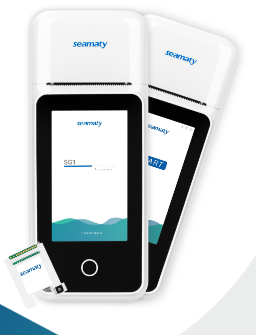 SG-1 | Blood Gas & Electrolyte Analyzer
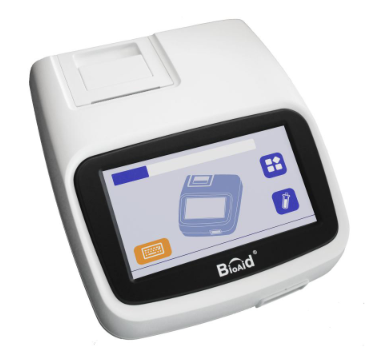 UA-201 | Semi-Automated Urine Analyzer
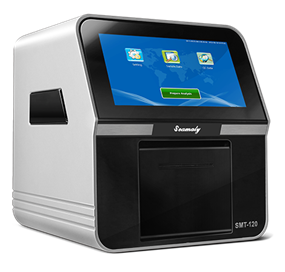 SMT-120 | Biochemistry Analyzer
For more information on cost control when purchasing a medical equipment, and professional consultation, Kindly contact Medsphere Healthcare Limited directly here ⇒ Customerservice@medspherehealthcare.com
Frequently Asked Questions
Where can I find a medical equipment store near me in Nigeria?
Medsphere Healthcare Ltd is an authorized, licensed medical equipment distributor based in Lagos, we distribute and provide services across every part of Nigeria and Africa as a continent; we guarantee best medical devices, genuine brands, top service support and top installation services.
What are essential medical equipment and supplies for elderly care?
Essential supplies include mobility aids (walkers, novo rollators), bathroom safety gear (shower chairs), and daily monitoring devices. Specific conditions like Parkinson's may require specialized support handles; medsphere healthcare ltd offers a range of products to meet these needs.
How can I set up a medical laboratory?
Setting up a medical laboratory involves several key steps: 1. Determine the laboratory's purpose and scope. 2. Acquire necessary licenses and permits. 3. Design the laboratory layout for optimal workflow. 4. Purchase and install equipment and supplies. 5. Implement quality control measures. 6. Hire qualified personnel. 7. Establish safety protocols. Medsphere Healthcare Ltd can assist with equipment procurement and setup.
How much does a medical laboratory setup cost?
The cost of setting up a medical laboratory can vary widely based on factors such as location, size, and the specific equipment needed. On average, a small laboratory setup may range from $10,000 (₦15,000,000) to $100,000 (₦150,000,000) or more. It's essential to conduct a thorough needs assessment and budget accordingly. Medsphere Healthcare Ltd can provide guidance on cost-effective solutions and equipment procurement.
Subscribe to Our Newsletter

© 2025 Medsphere Healthcare Limited. All rights reserved.